How Many Hours of Wedding Photography Do You Need?
One of the biggest questions couples have when planning their wedding is how many hours of photography coverage they actually need.
There is no one-size-fits-all answer. It depends on your timeline, locations and which parts of the day matter most to you. Some couples only want the ceremony and portraits captured, while others want the full story, from getting ready through to the dance floor.
Here is a simple guide to help you work out what will suit your wedding day.
4 Hours of Coverage
Four hours can work well for an intimate wedding, elopement or shorter celebration.
It will usually allow enough time to capture:
~ Guests arriving
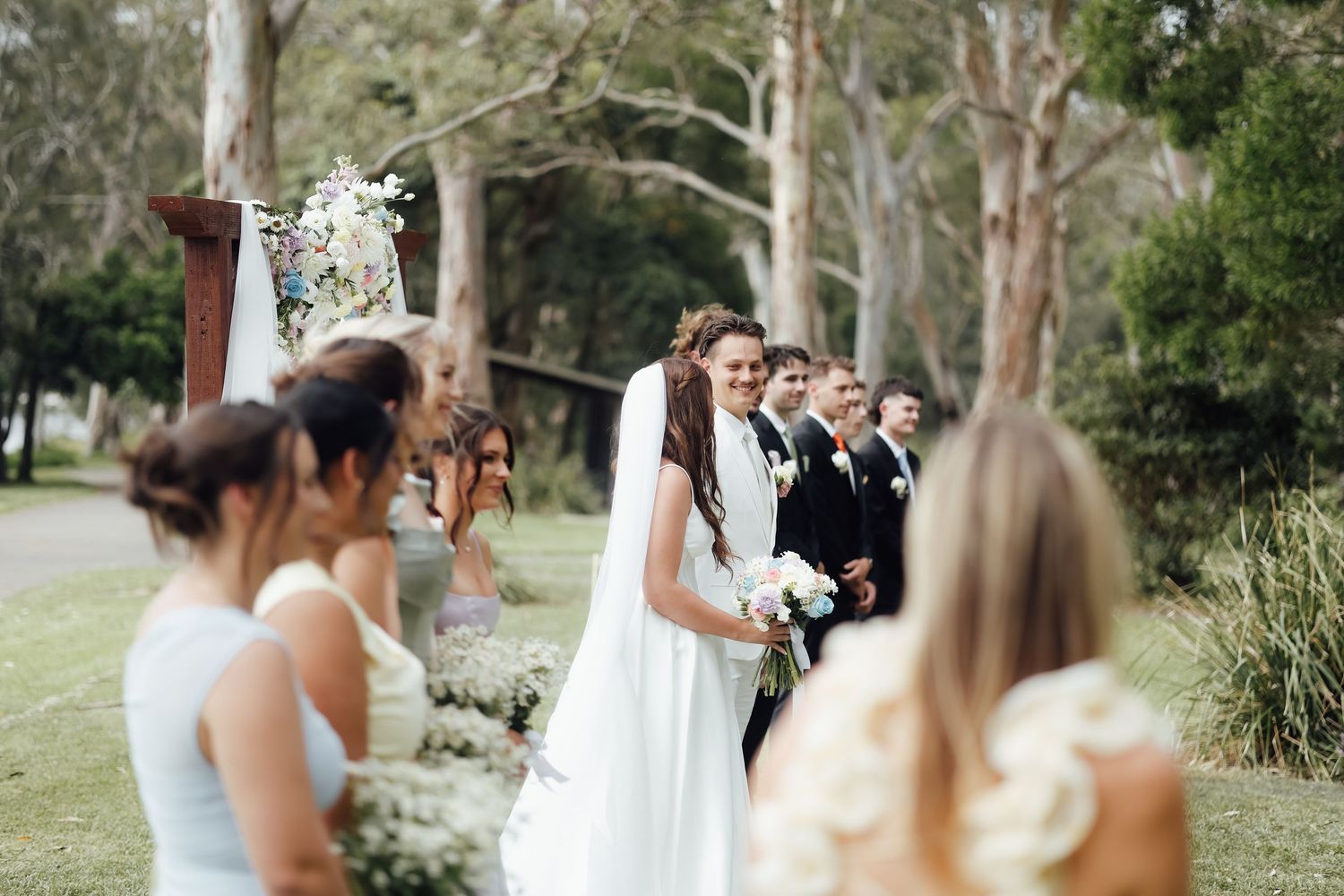
~ The ceremony
~ Family photographs
~ Bridal party and couple portraits
~ A small portion of the reception
This option is best when everything is happening at one location and you are not looking for getting-ready photographs or much reception coverage.
Four hours can pass very quickly, so having a well-organised timeline is important.
6 hours of coverage
Six hours is a popular choice for smaller weddings and couples who want the most meaningful parts of the day photographed without needing full-day coverage.
Depending on your timeline, six hours may include:
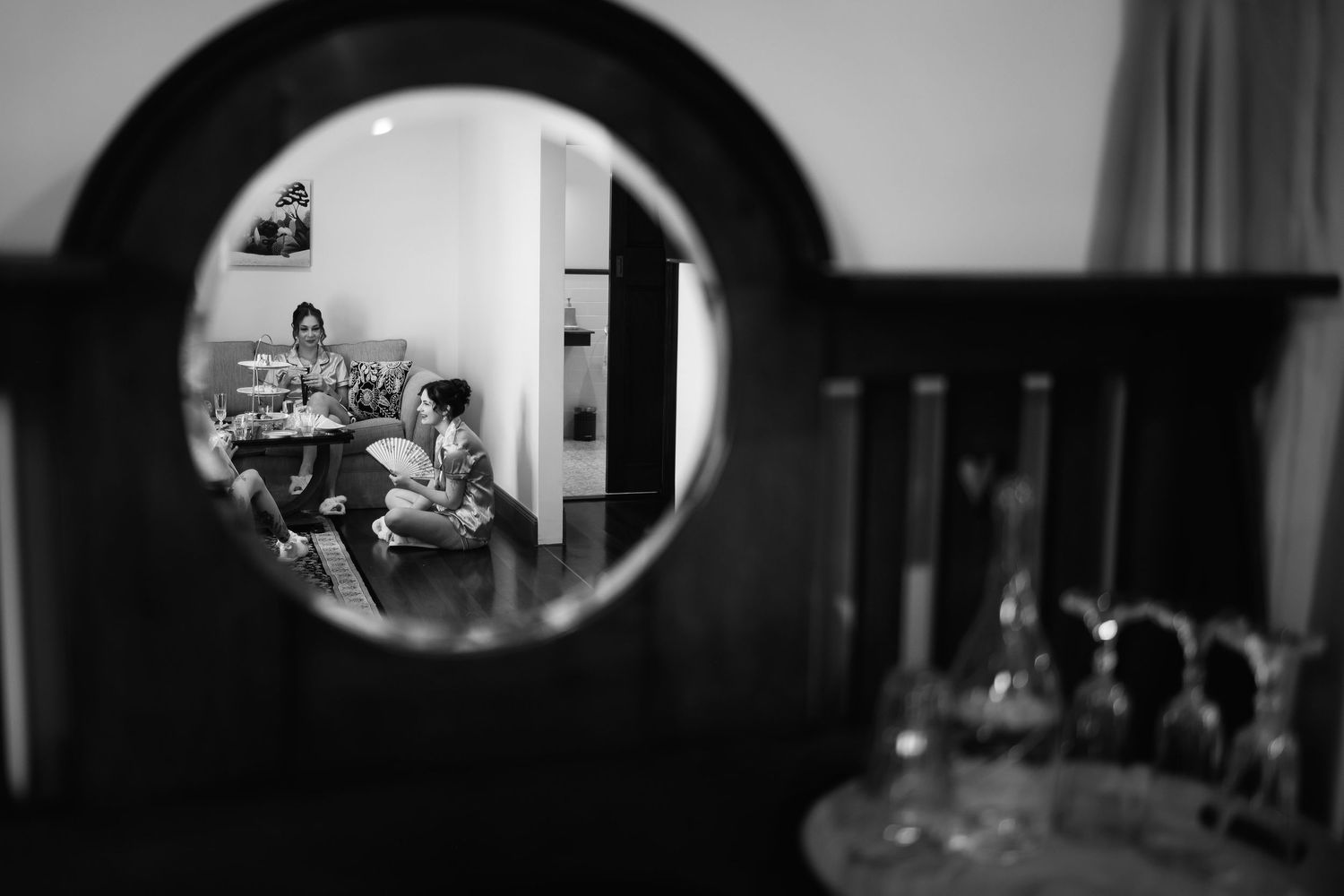
~ The final stages of getting ready
~ Ceremony details and guest arrivals
~ The ceremony
~ Family and bridal party photographs
~ Couple portraits
~ Reception entrance
~ Speeches or cake cutting
This can be a great balance if your venues are close together and your schedule is fairly relaxed. Your photographer can also help structure the timeline so the moments you care about most fall within the coverage period.
8 hours of coverage
Eight hours is often the ideal amount of coverage for a traditional wedding day.
It provides enough time to tell a more complete story without the day feeling rushed. Coverage will generally include:
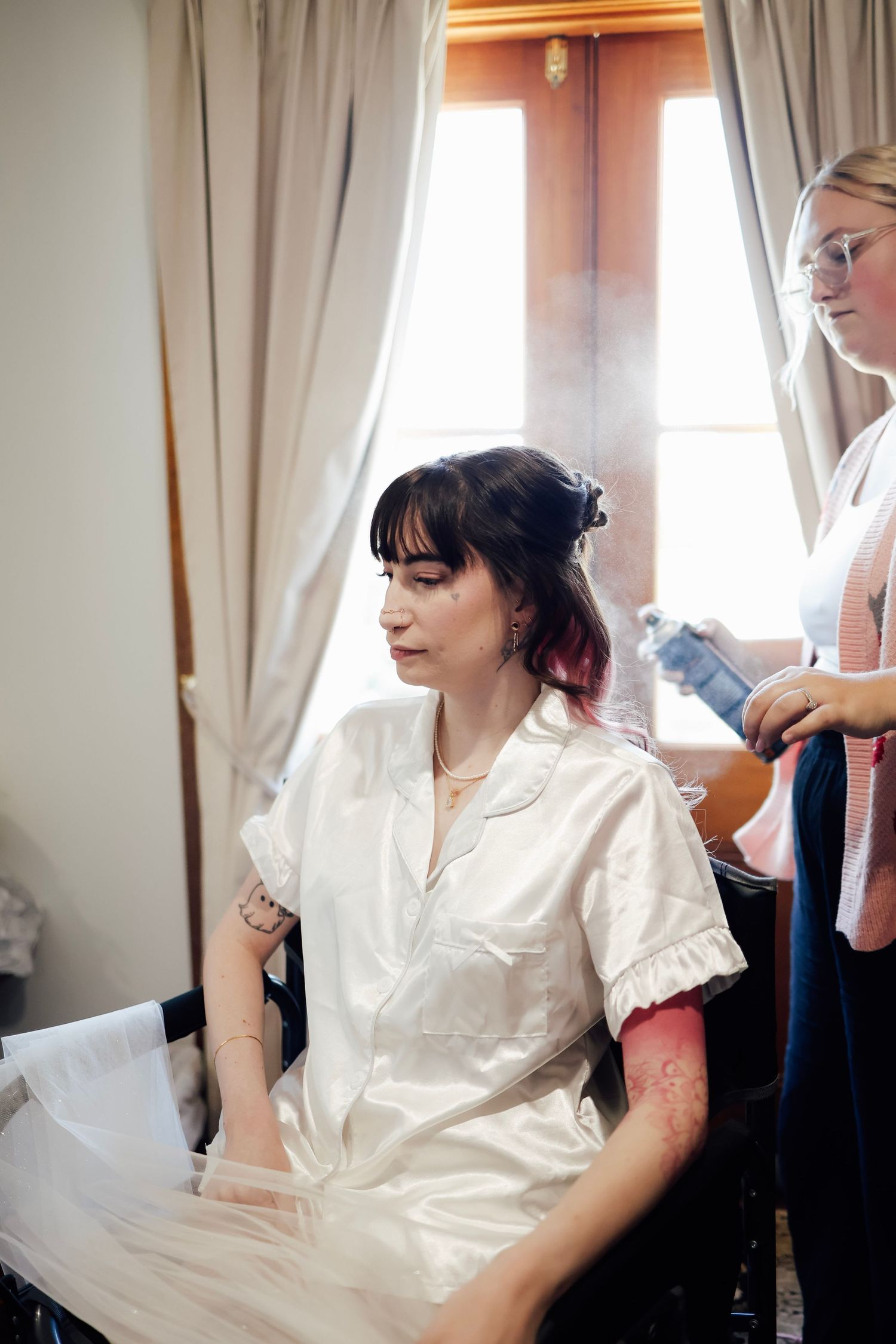
~ Getting-ready photographs
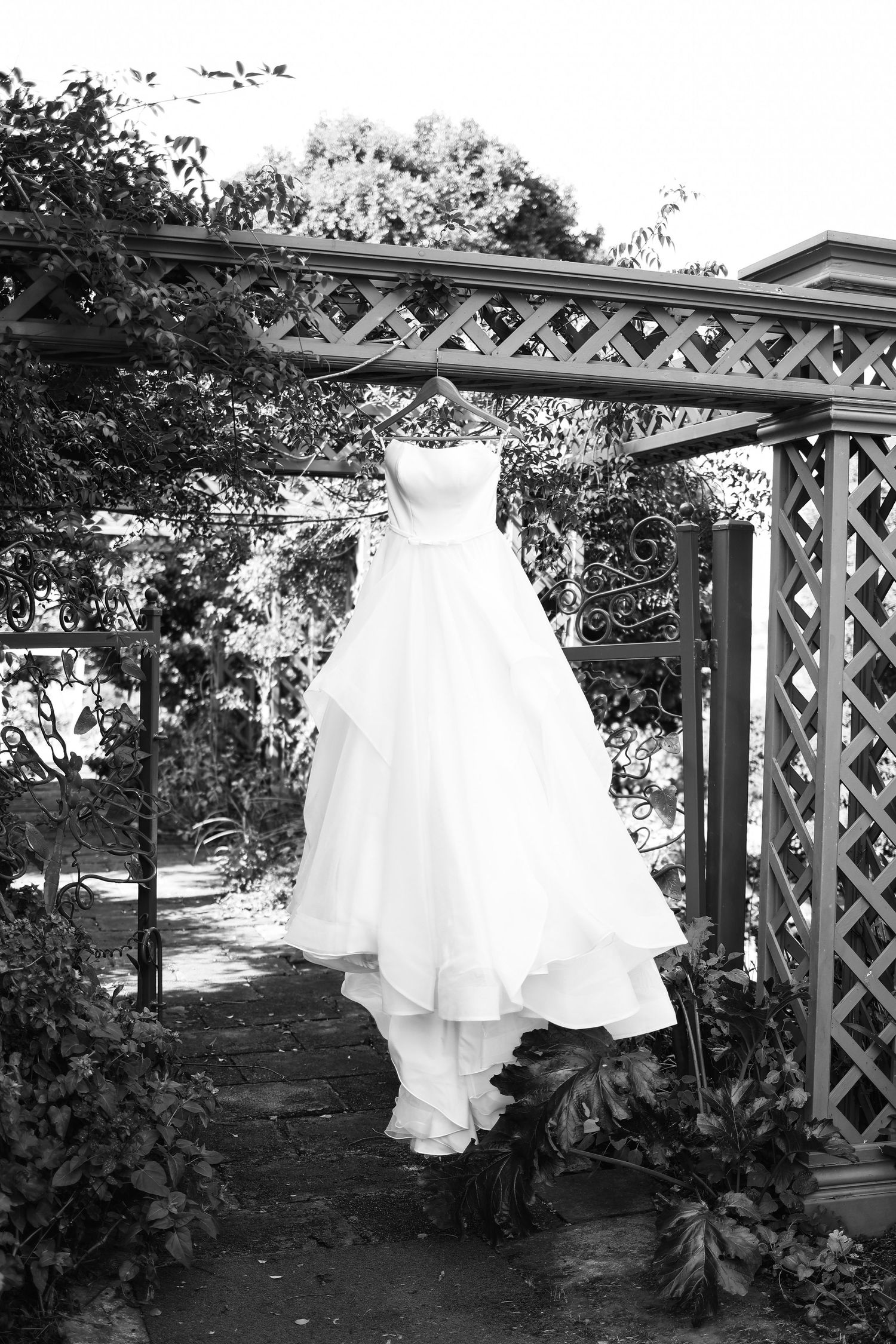
~ Details such as rings, invitations, flowers and outfits
~ Both partners before the ceremony, where timing allows
~ Guest arrivals
~ The ceremony
~ Family and bridal party photographs
~ Couple portraits
~ Reception details and entrances
~ Speeches, cake cutting and some dancing
Eight hours also gives you more breathing room if there is travel between locations or if the timeline runs slightly behind, which is completely normal on a wedding day.
10 hours of coverage
Ten hours is best for couples who want the full story of their wedding captured, from the quiet morning moments through to the energy of the dance floor.
This amount of coverage may include:
~ Both partners getting ready
~ All of the smaller details
~ A first look, if planned
~ The ceremony
~ Family, bridal party and couple portraits
~ Sunset photographs
~ Reception entrances
~ Speeches
~ Cake cutting
~ First dance
~ Plenty of dance-floor photographs
~ A sparkler exit or another planned send-off
It is also a good option when the getting-ready locations, ceremony and reception are spread out.
Things to Consider
Before choosing your coverage, think about the moments you would be most disappointed not to have photographed.
A few things that can affect how many hours you need include:
~ Travel time between locations
~ Whether you want both partners getting ready photographed
~ The length of your ceremony
~ The size of your family photograph list
~ Whether you would like sunset portraits
~ When your speeches and formalities are scheduled
~ Whether dance-floor photographs are important to you
~ Any cultural traditions or additional events throughout the day
It is always worth allowing some flexibility. Wedding days rarely run exactly to the minute, and a little extra time can help everything feel calm and natural.
So, How Many Hours Should You Choose?
Six hours works beautifully for a smaller, thoughtfully planned celebration. Eight hours is usually better if you would like your photographs to tell the story from getting ready through to the main reception formalities.
If you are still unsure, you do not have to work it out alone. I help my couples create a photography timeline based on their plans, priorities and the natural flow of their day.
Your wedding photography should never feel like a strict schedule or a list of photographs to get through. It should allow you to stay present, enjoy the people around you and trust that the meaningful moments are being captured with care.
If you are planning a wedding in the Hunter Valley, Central Coast, Newcastle or beyond, I would love to hear what you have planned and help you choose the right amount of coverage for your day.
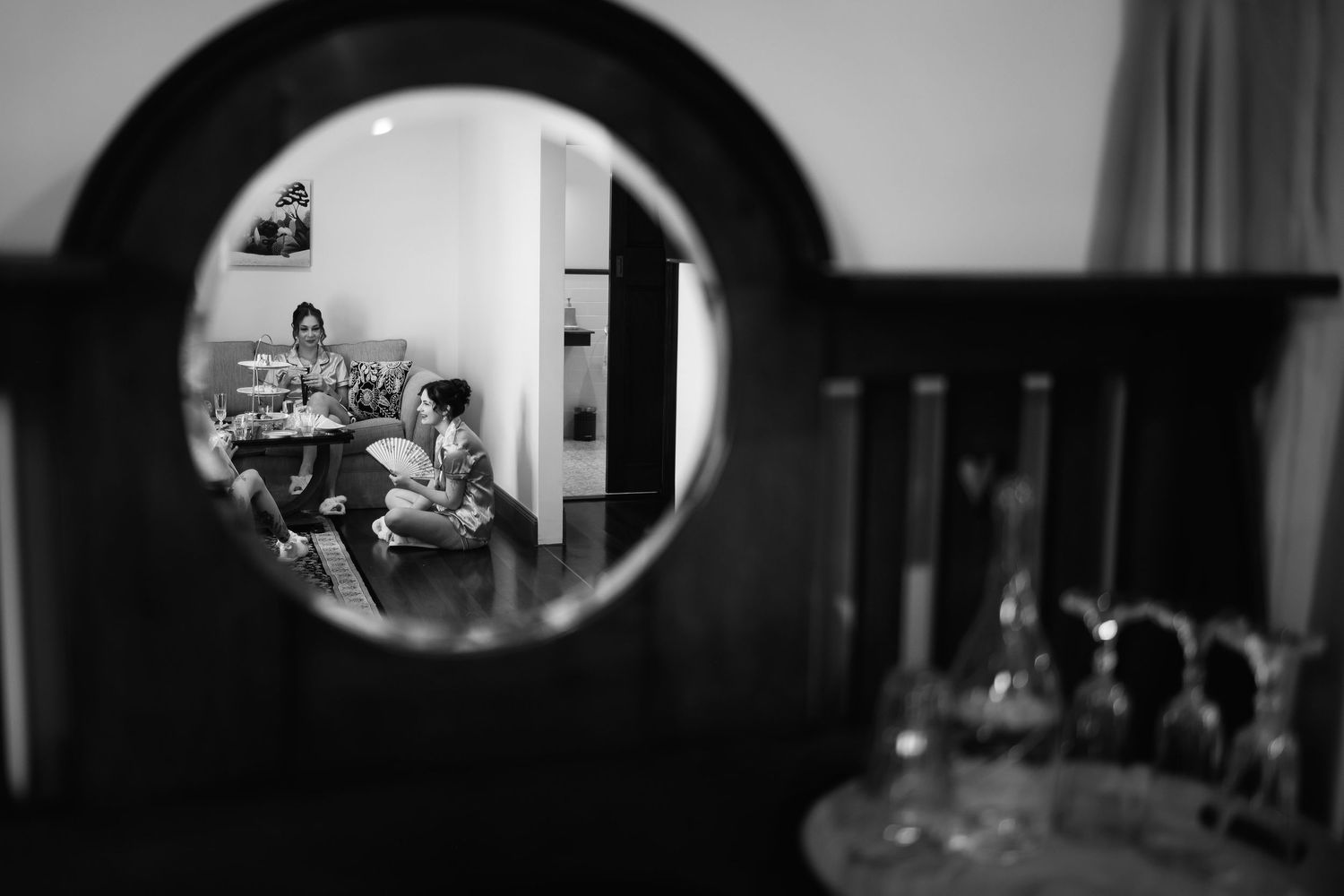
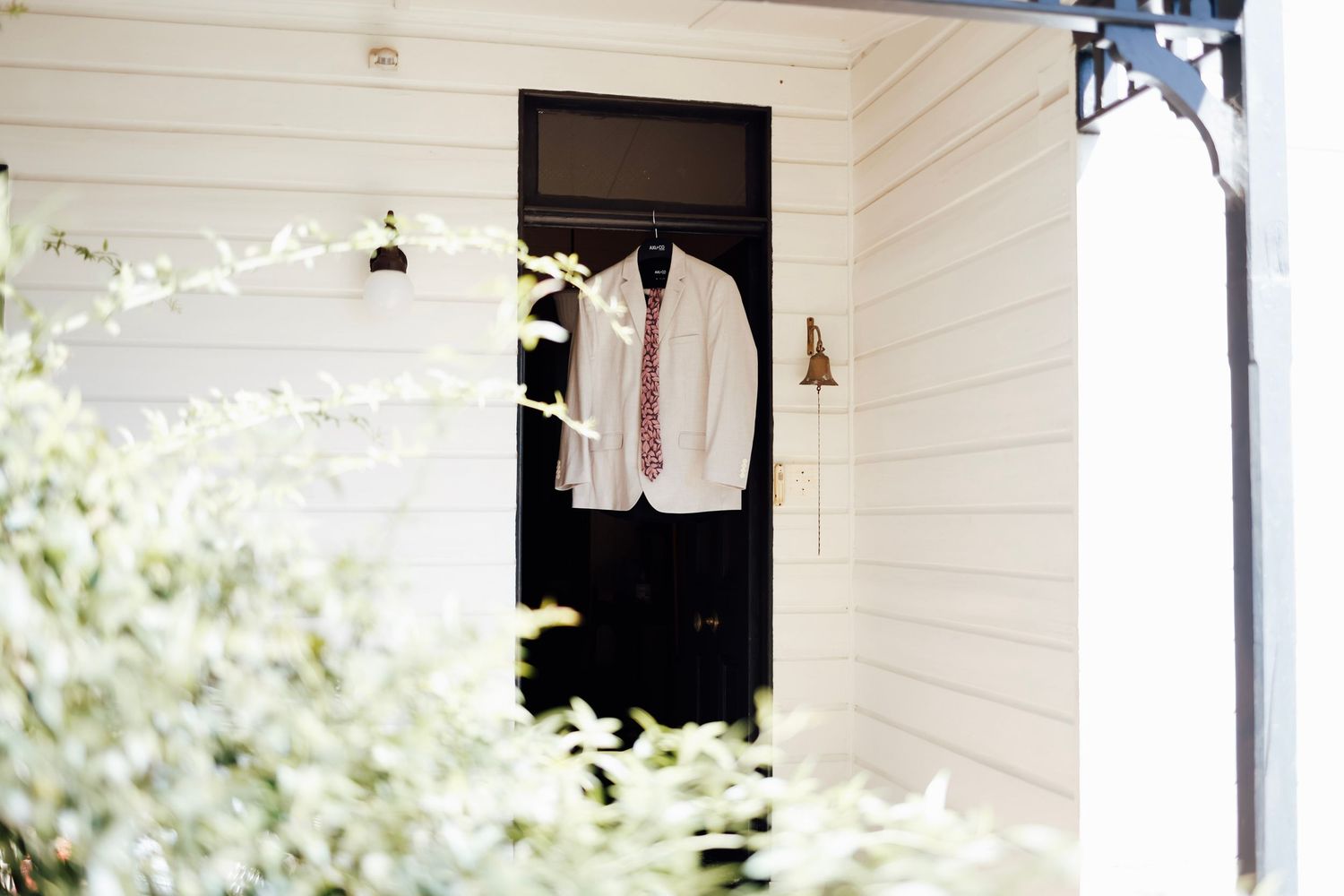
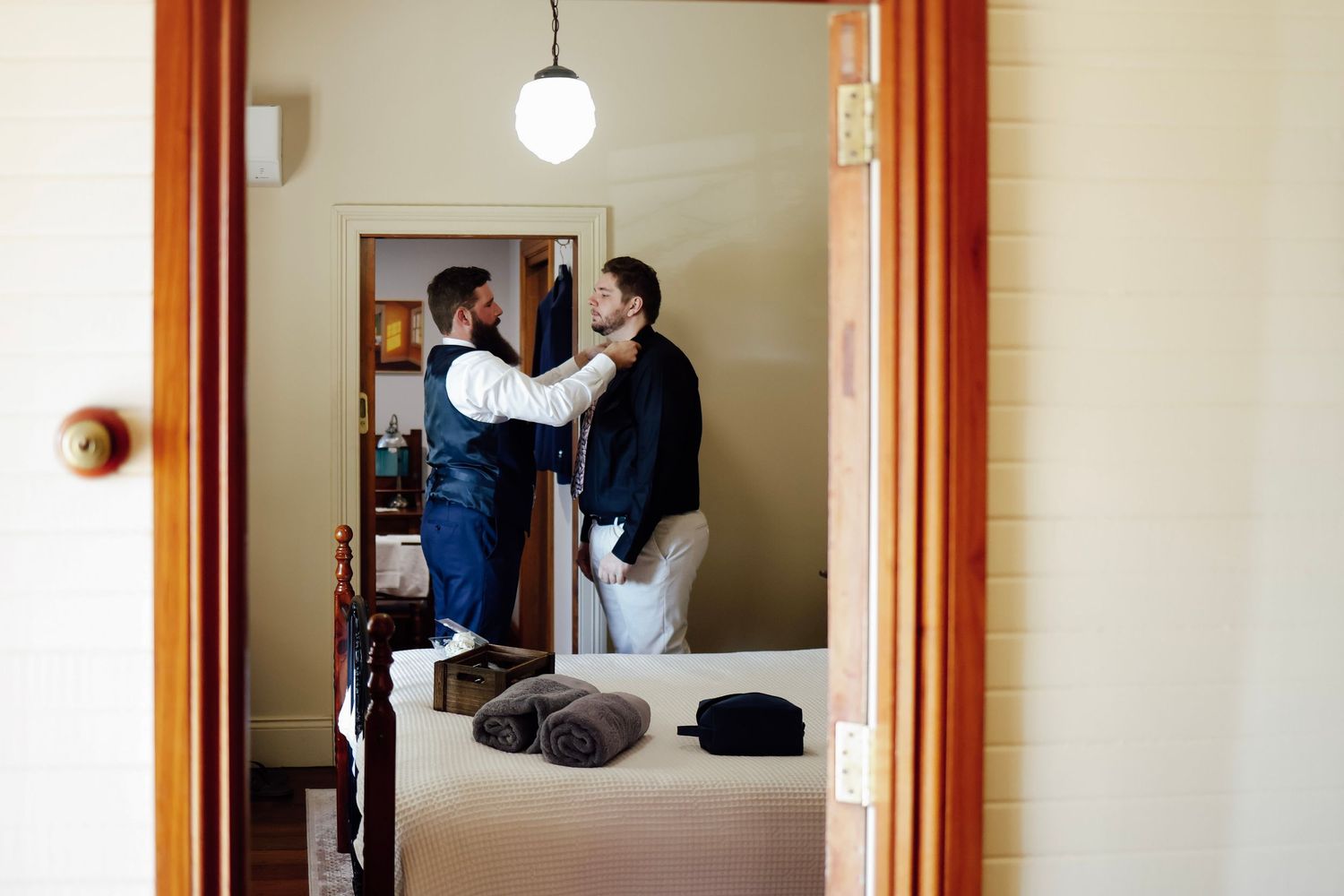
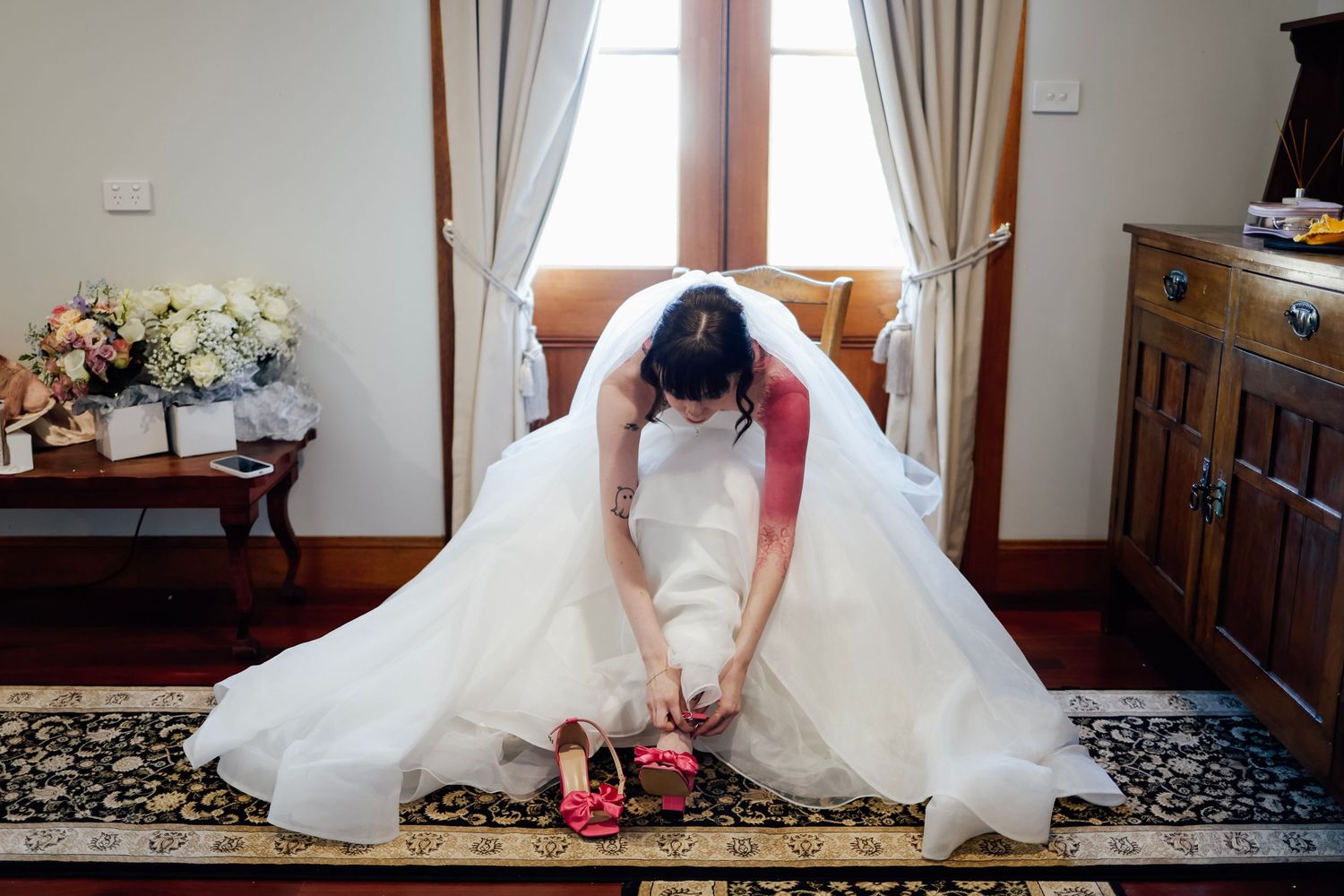
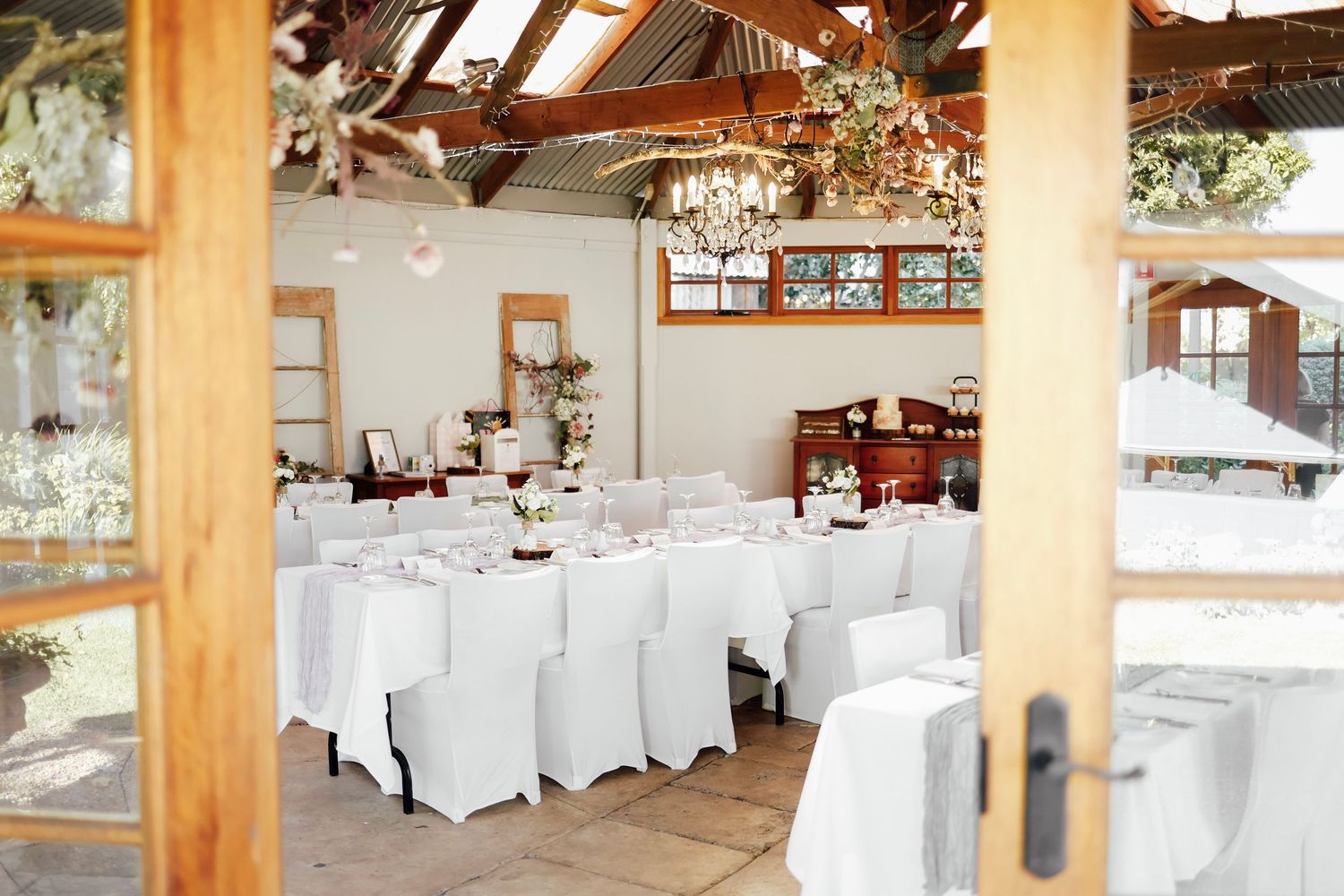
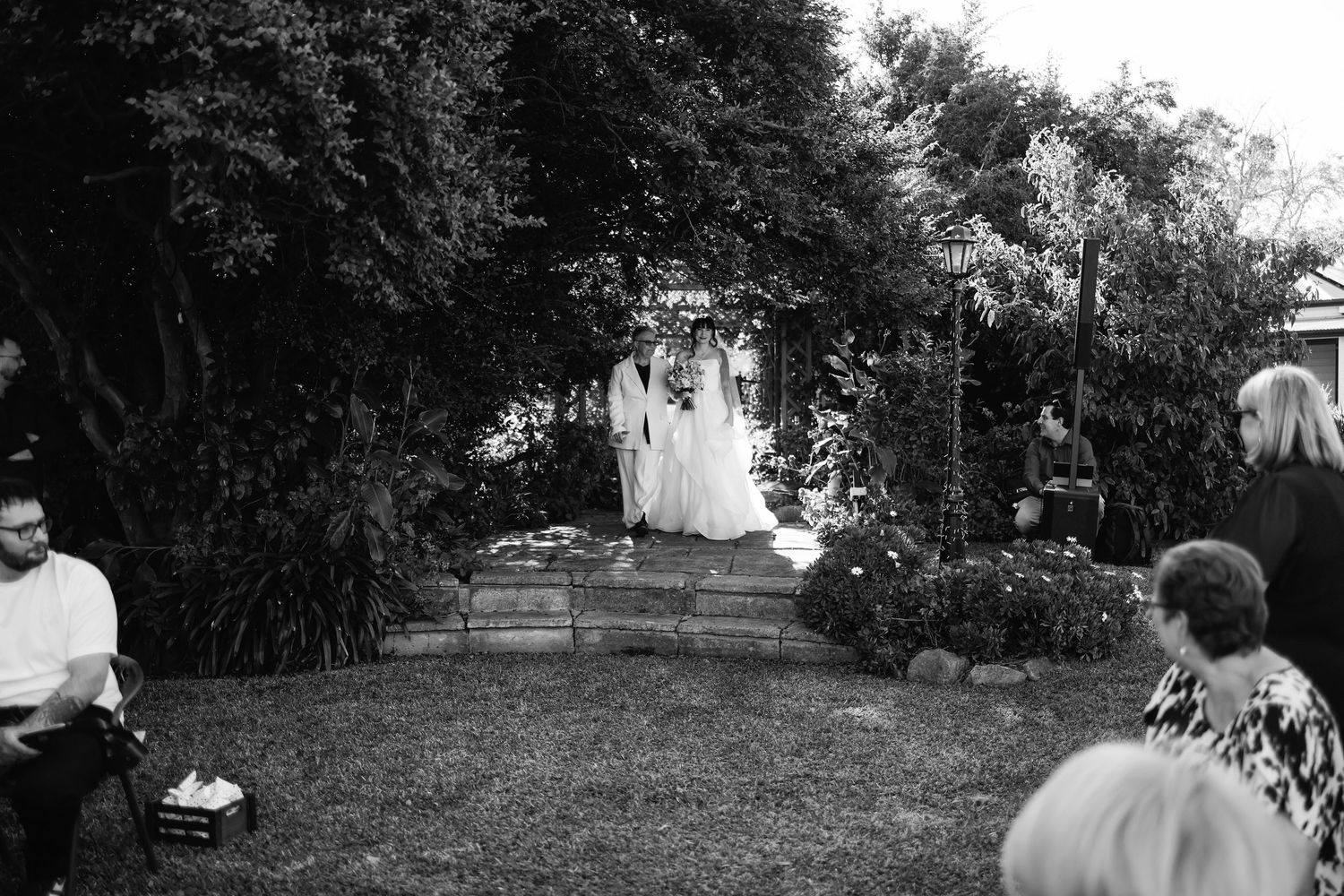
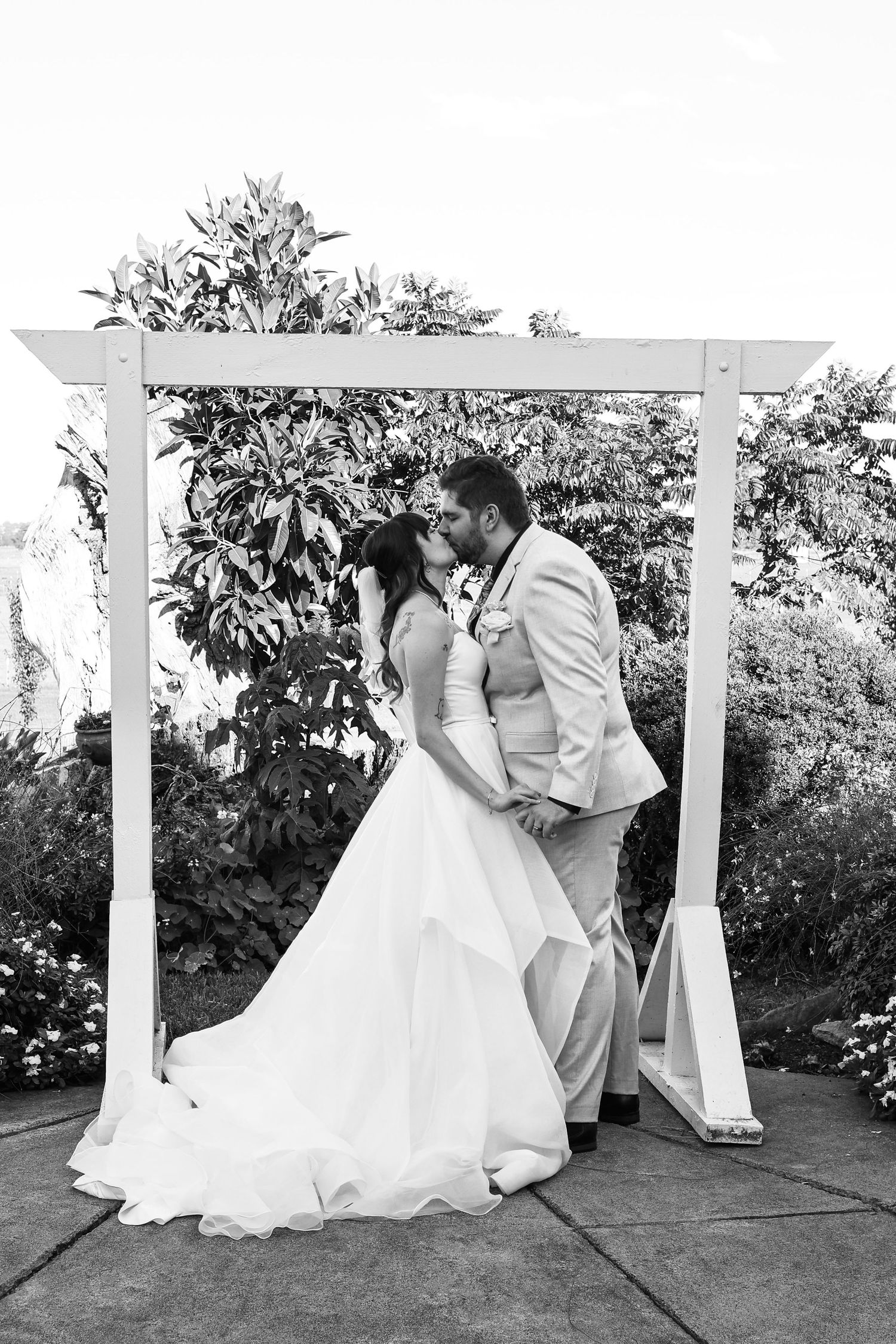
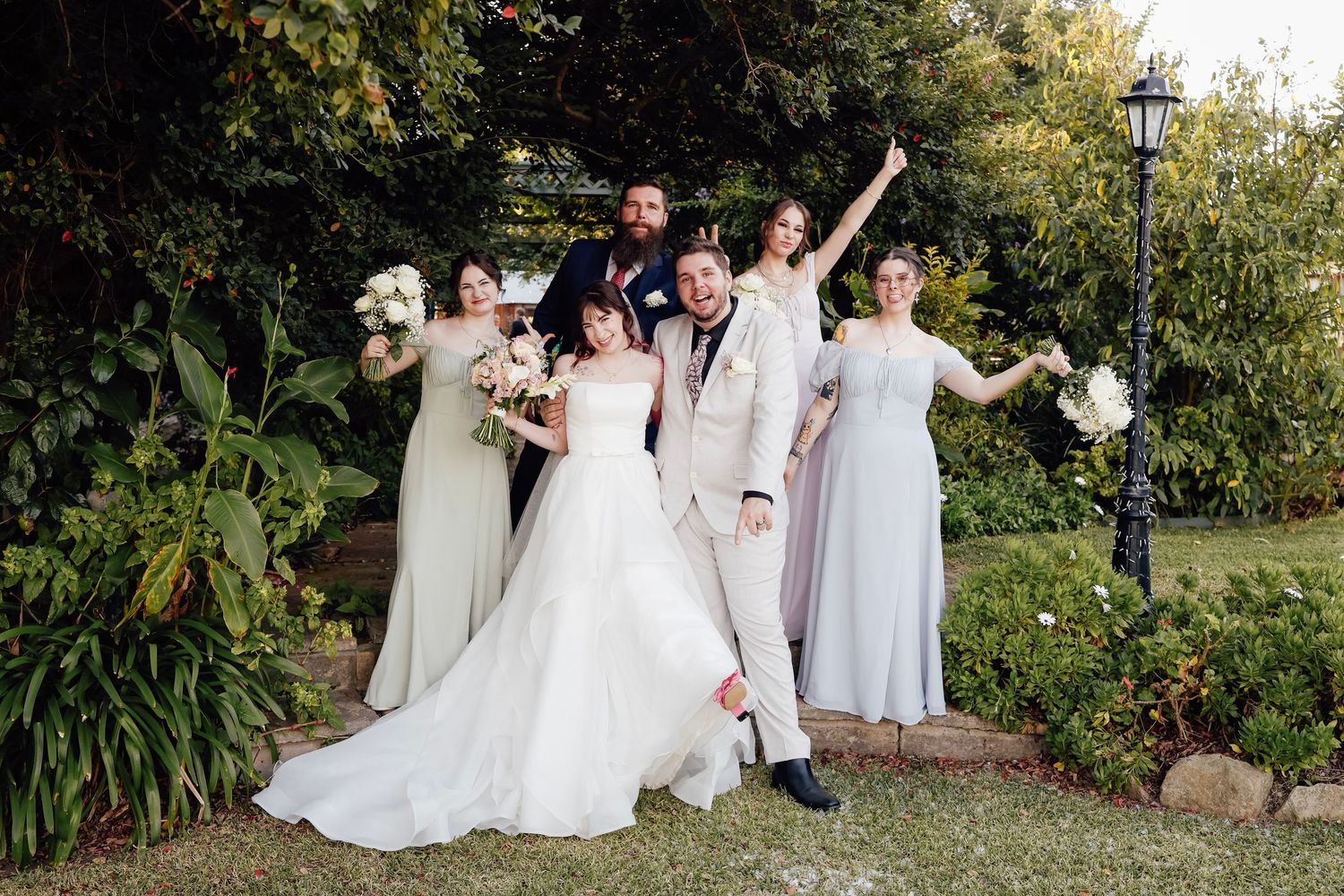
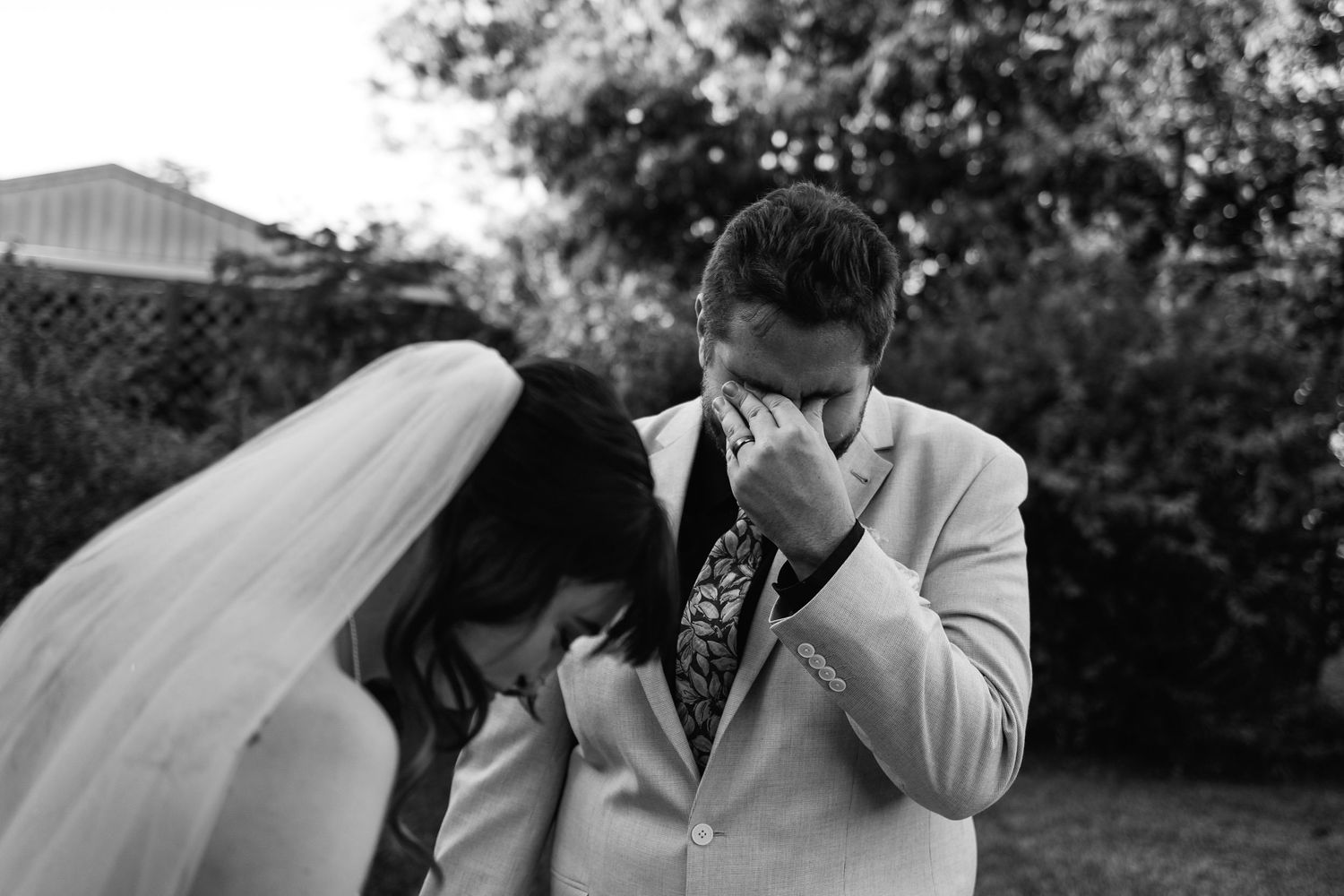
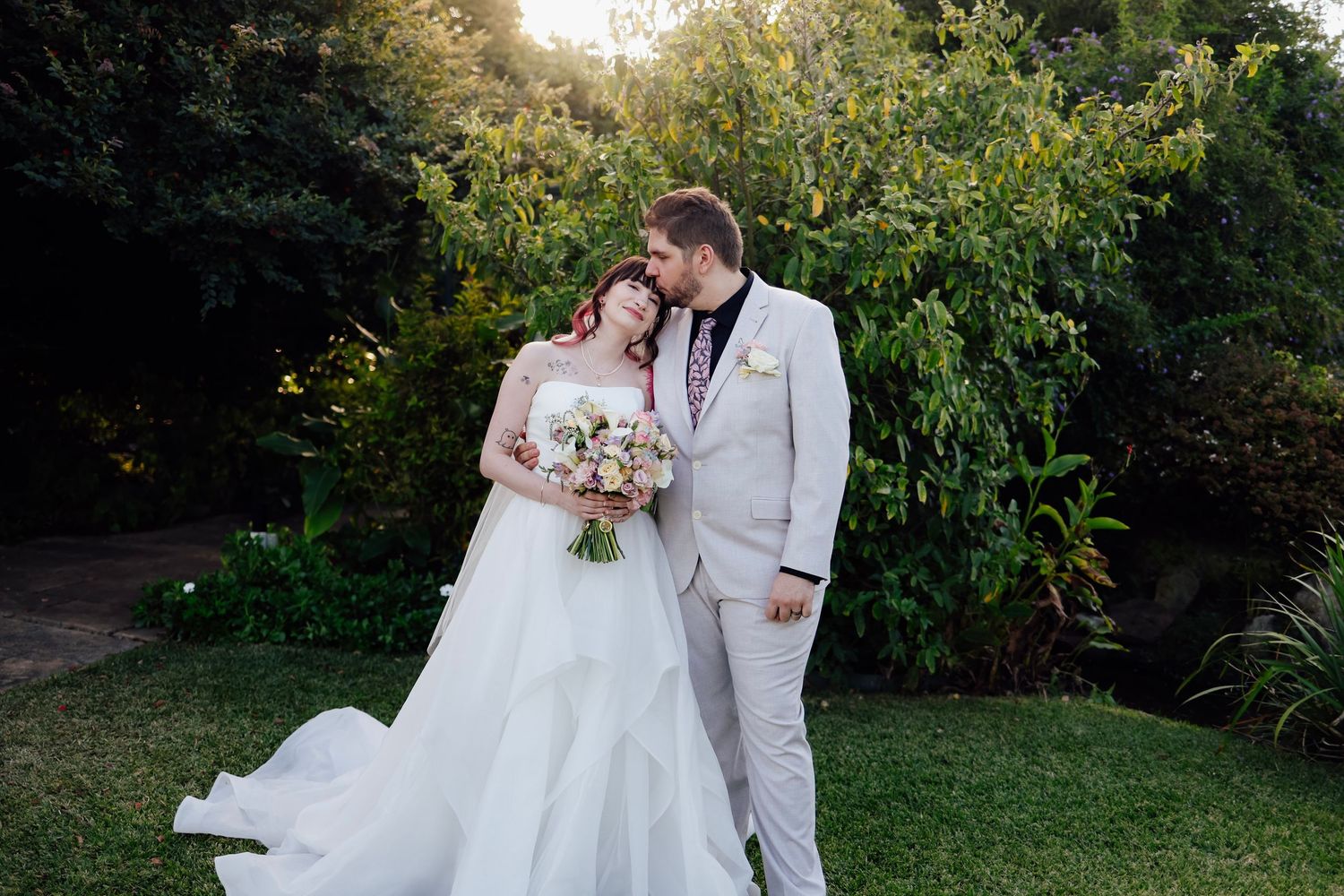
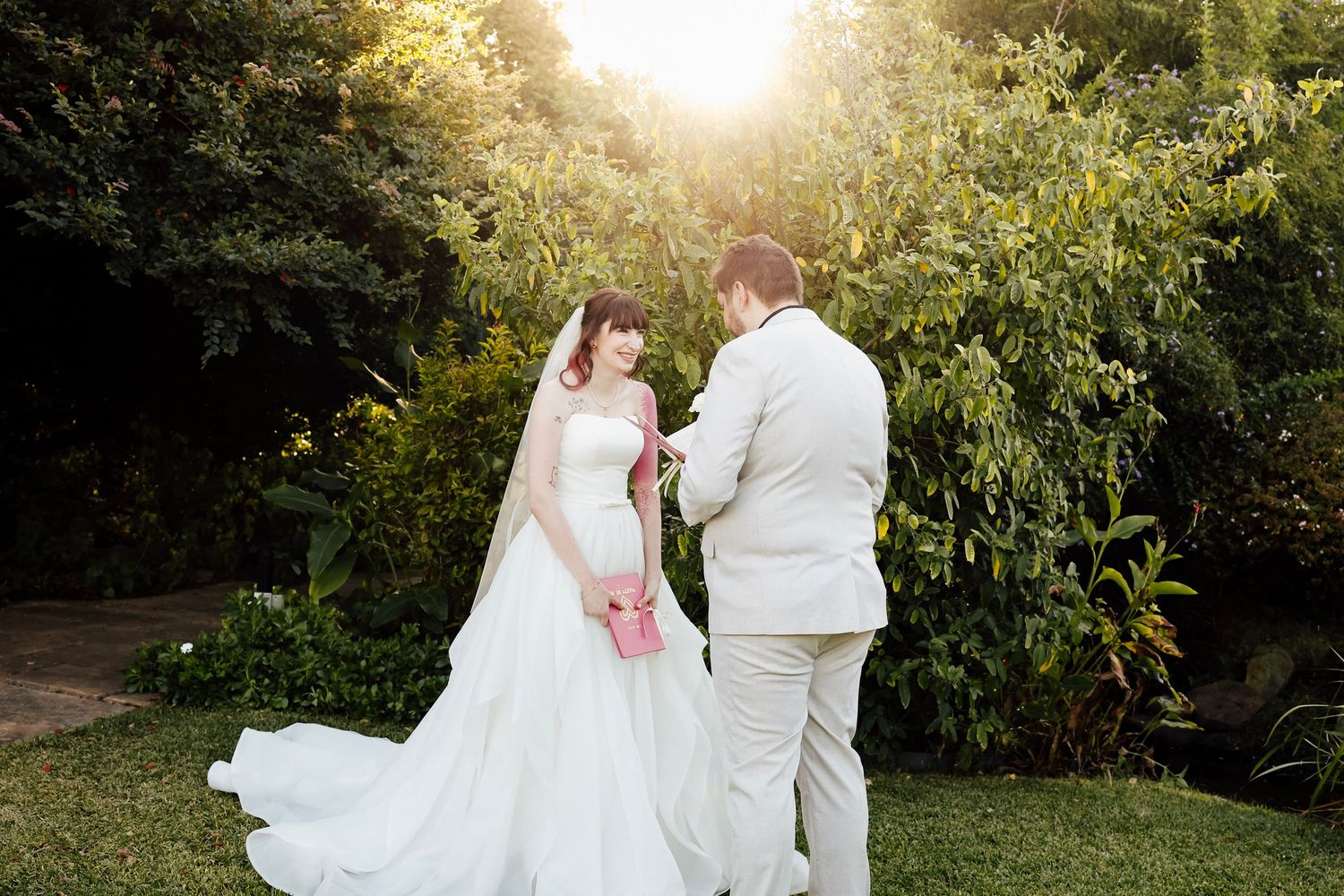
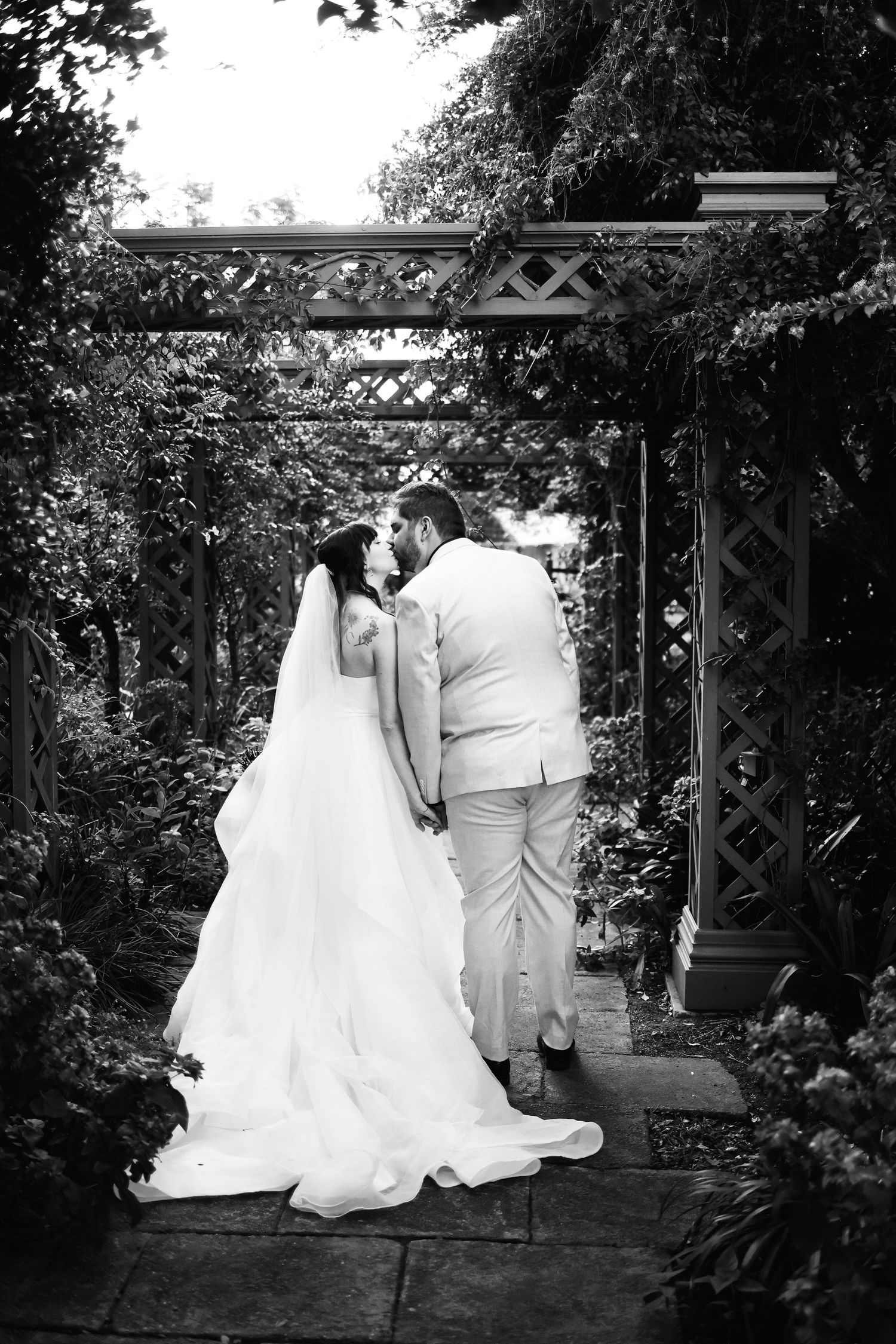
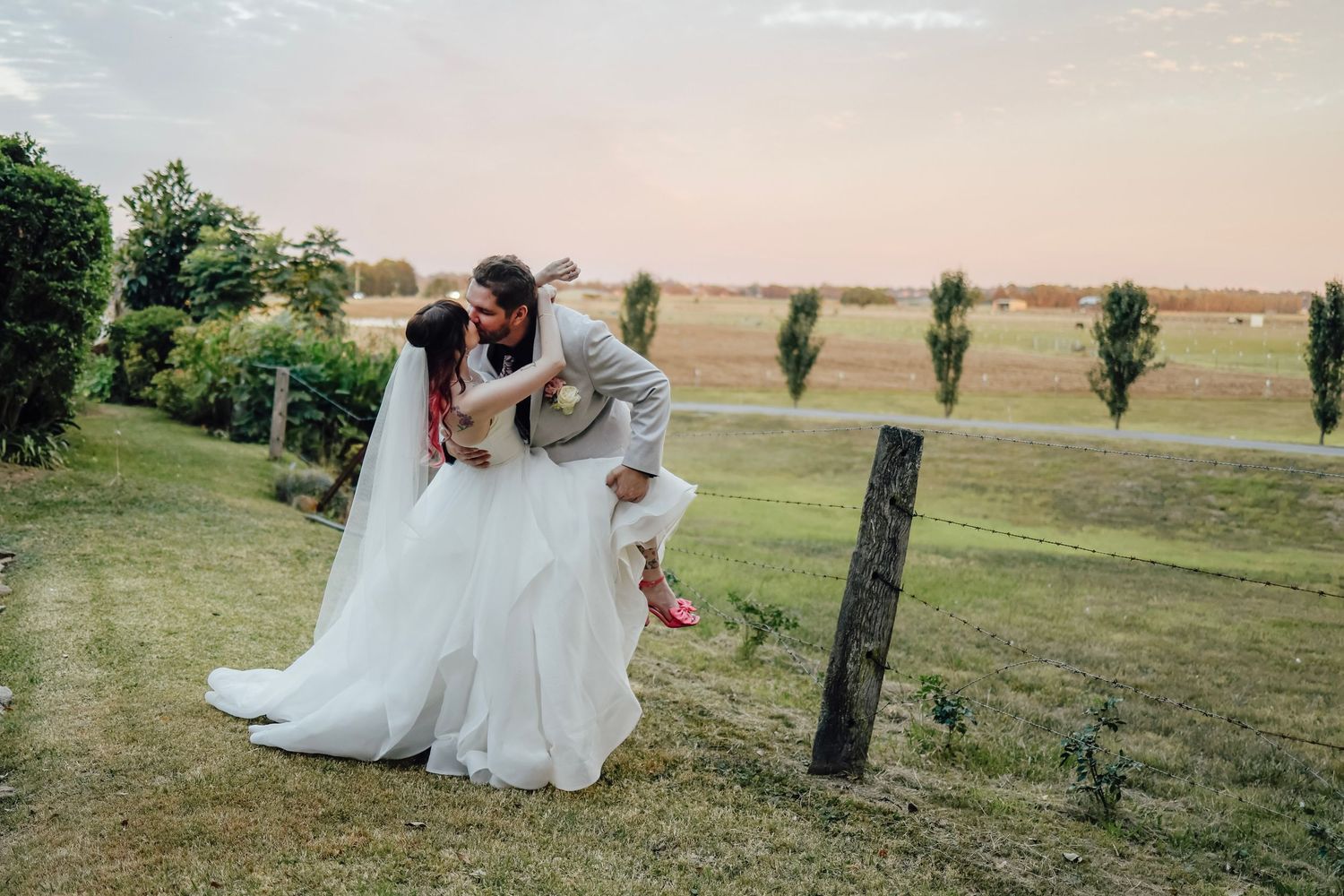
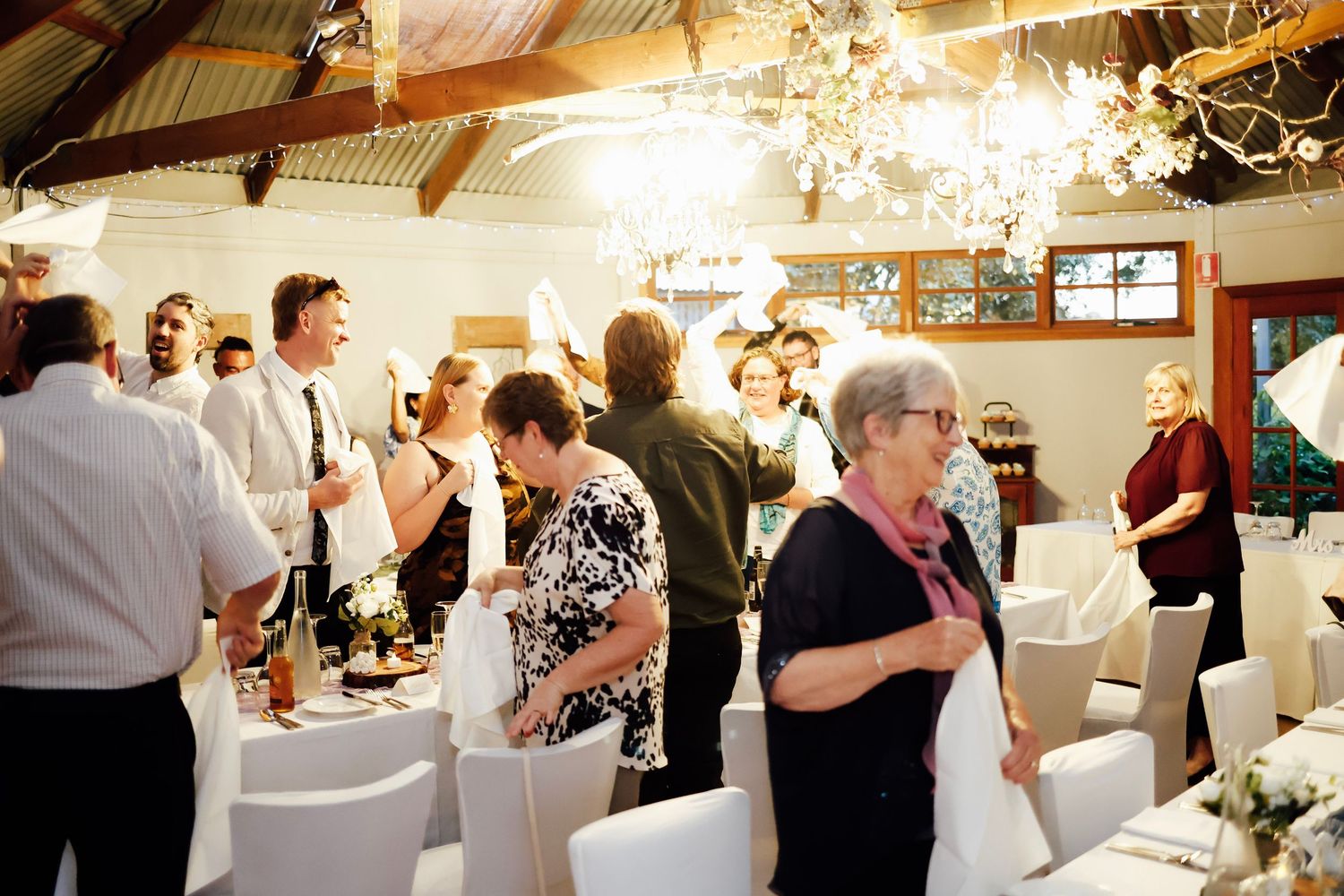
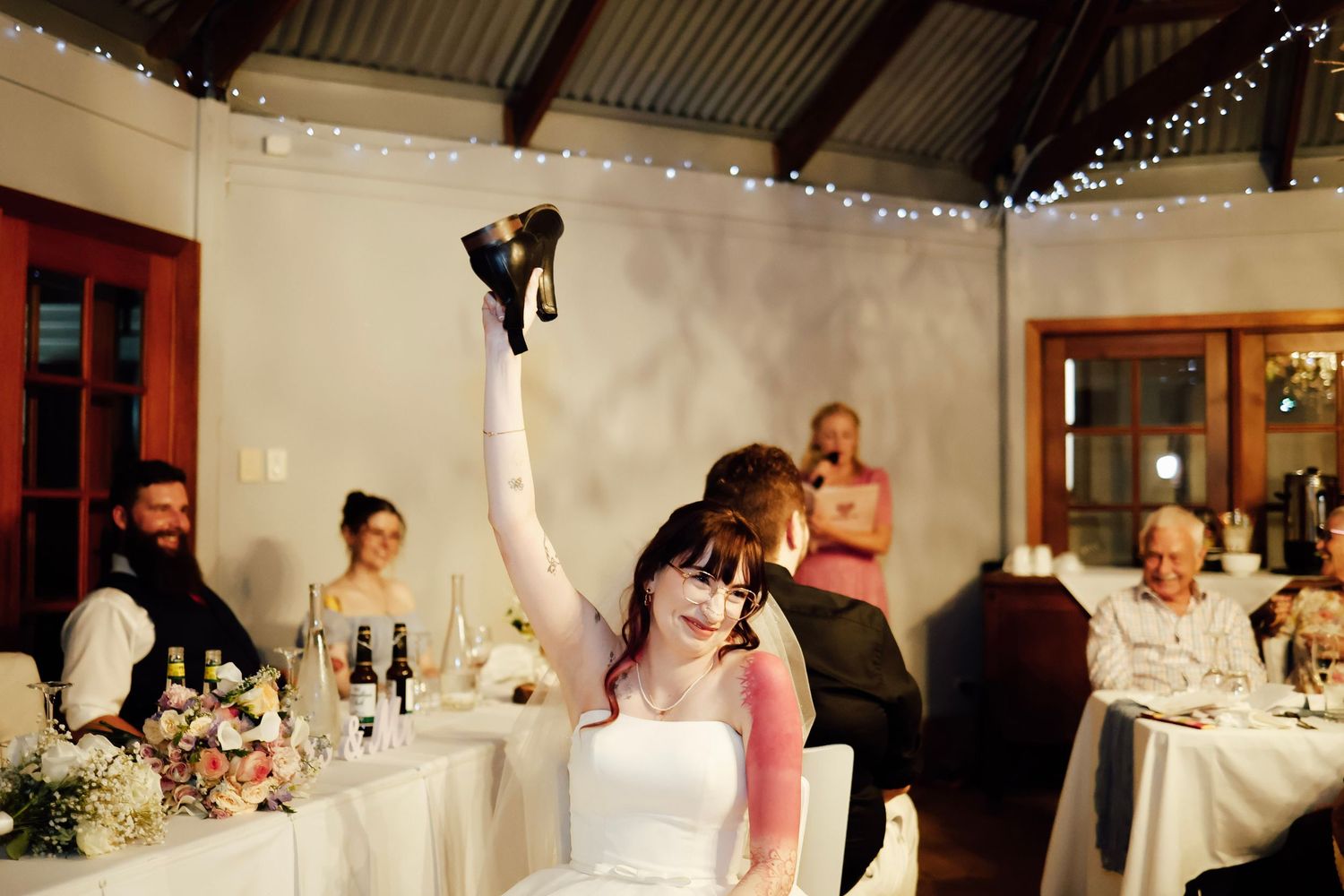
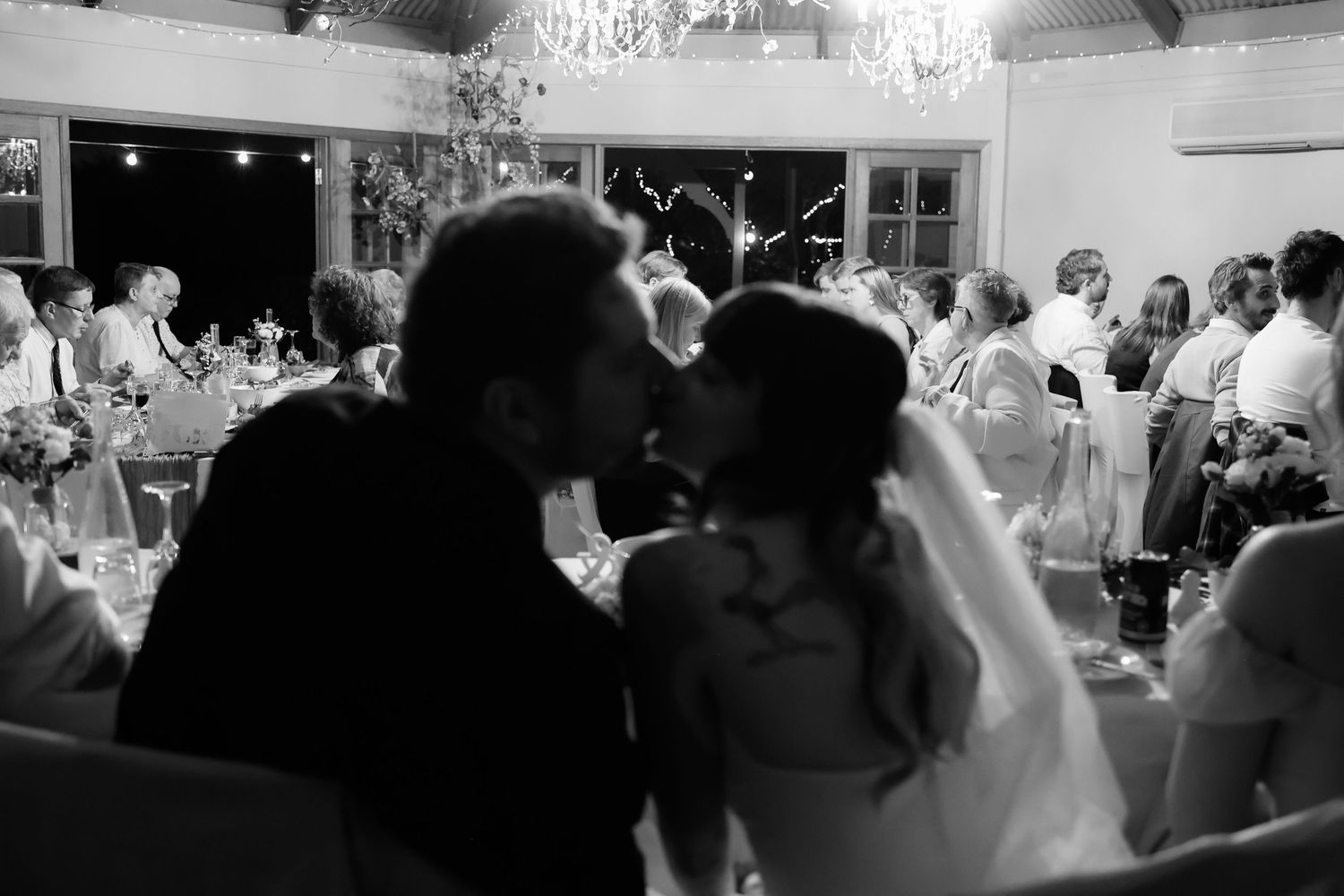
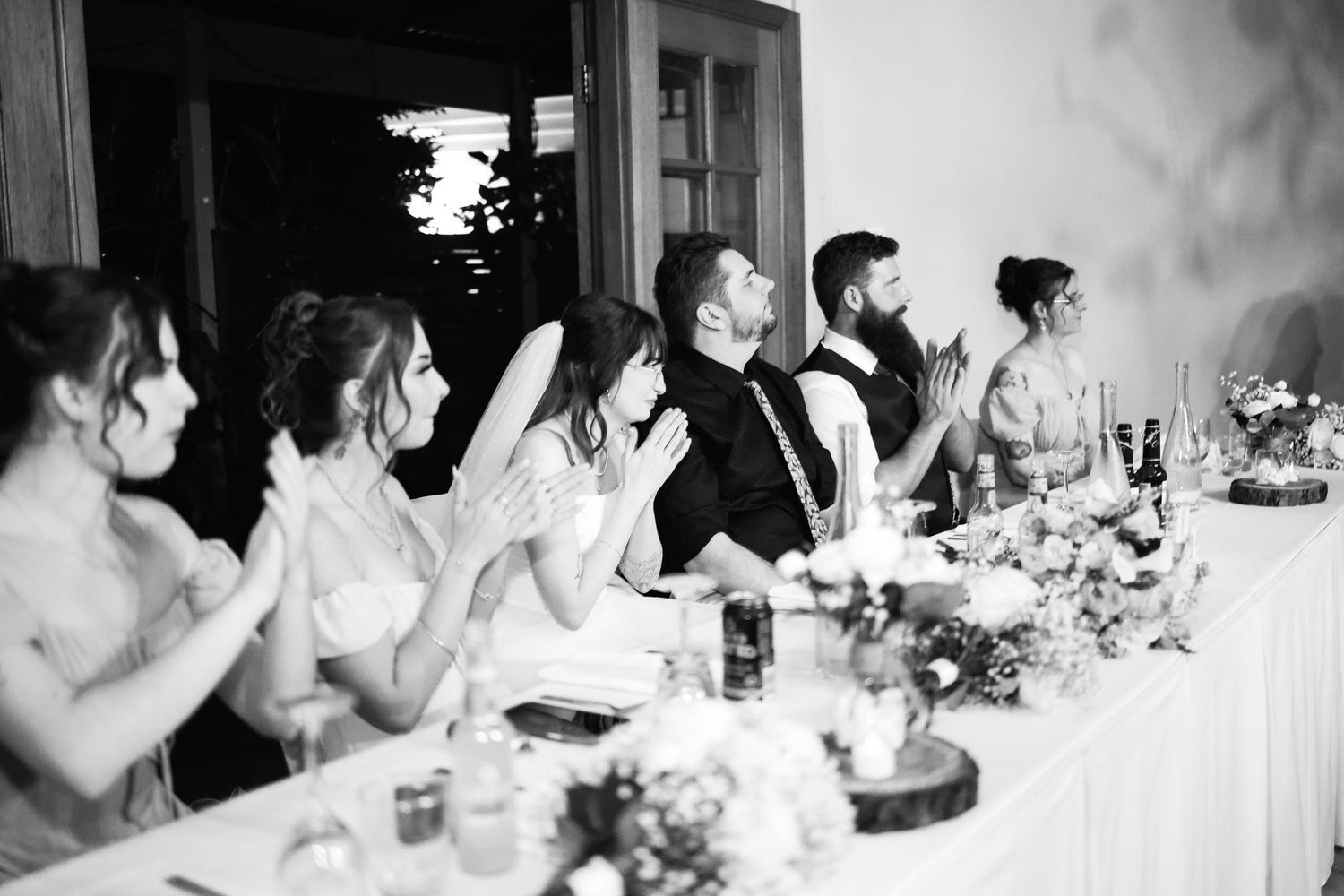
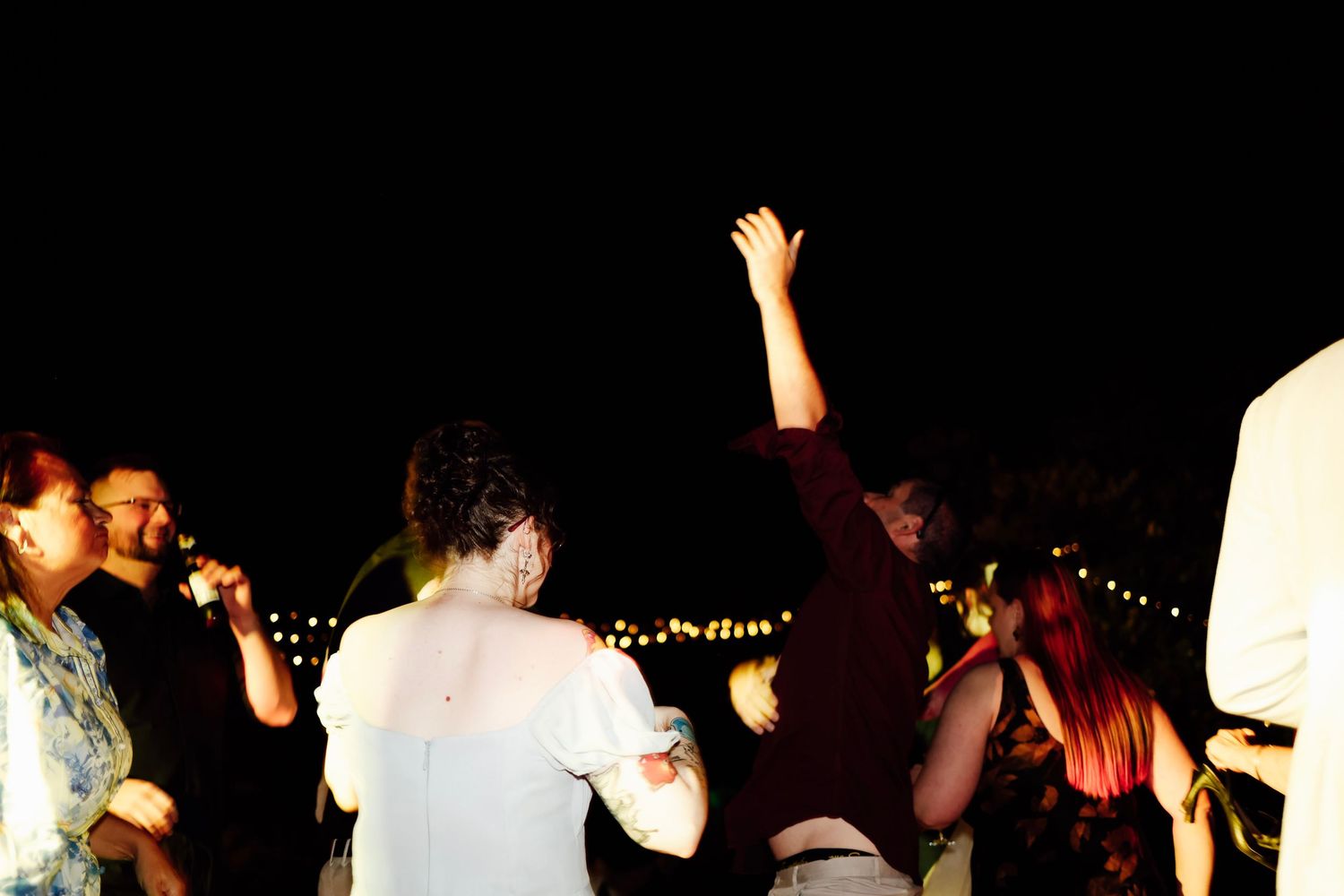
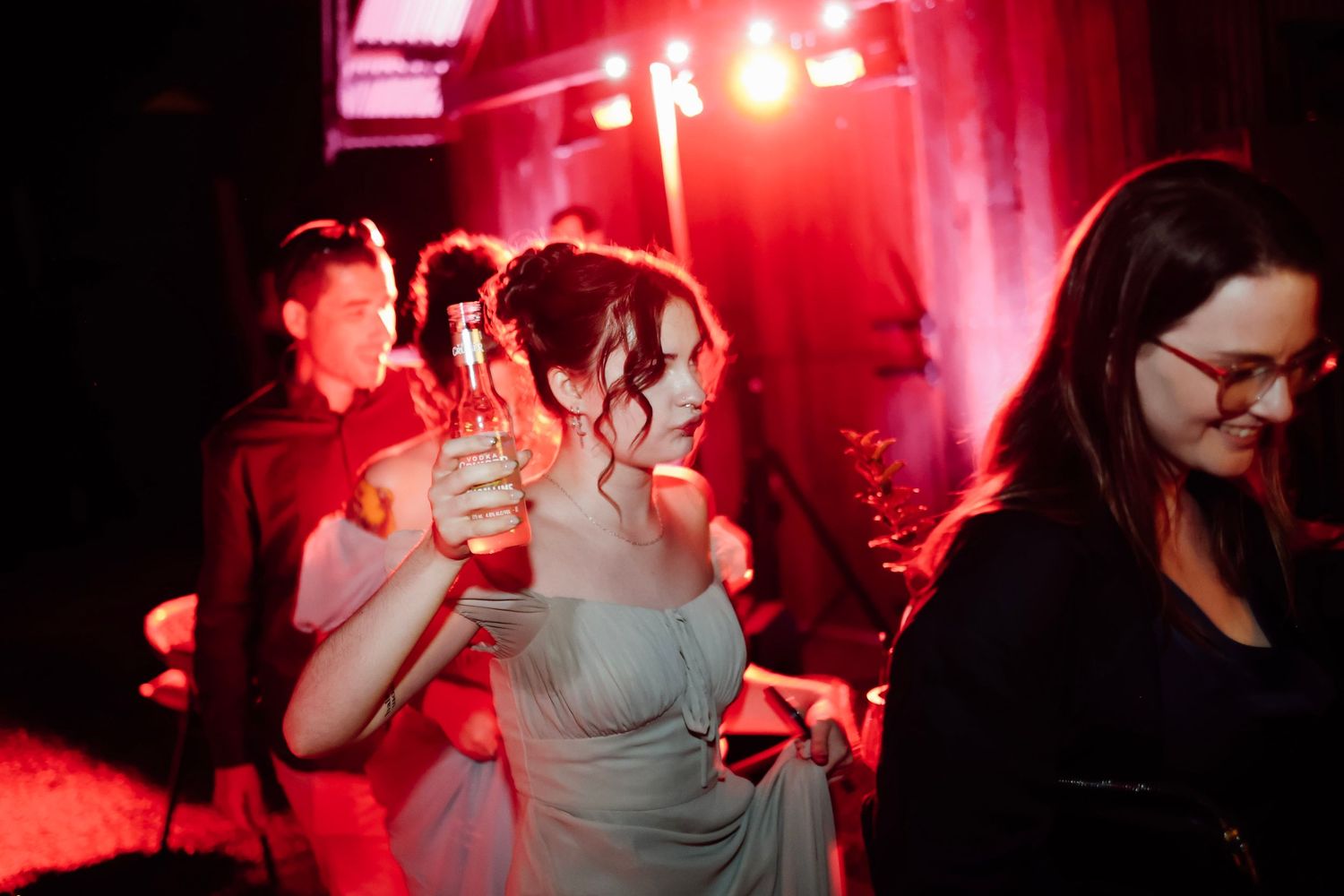
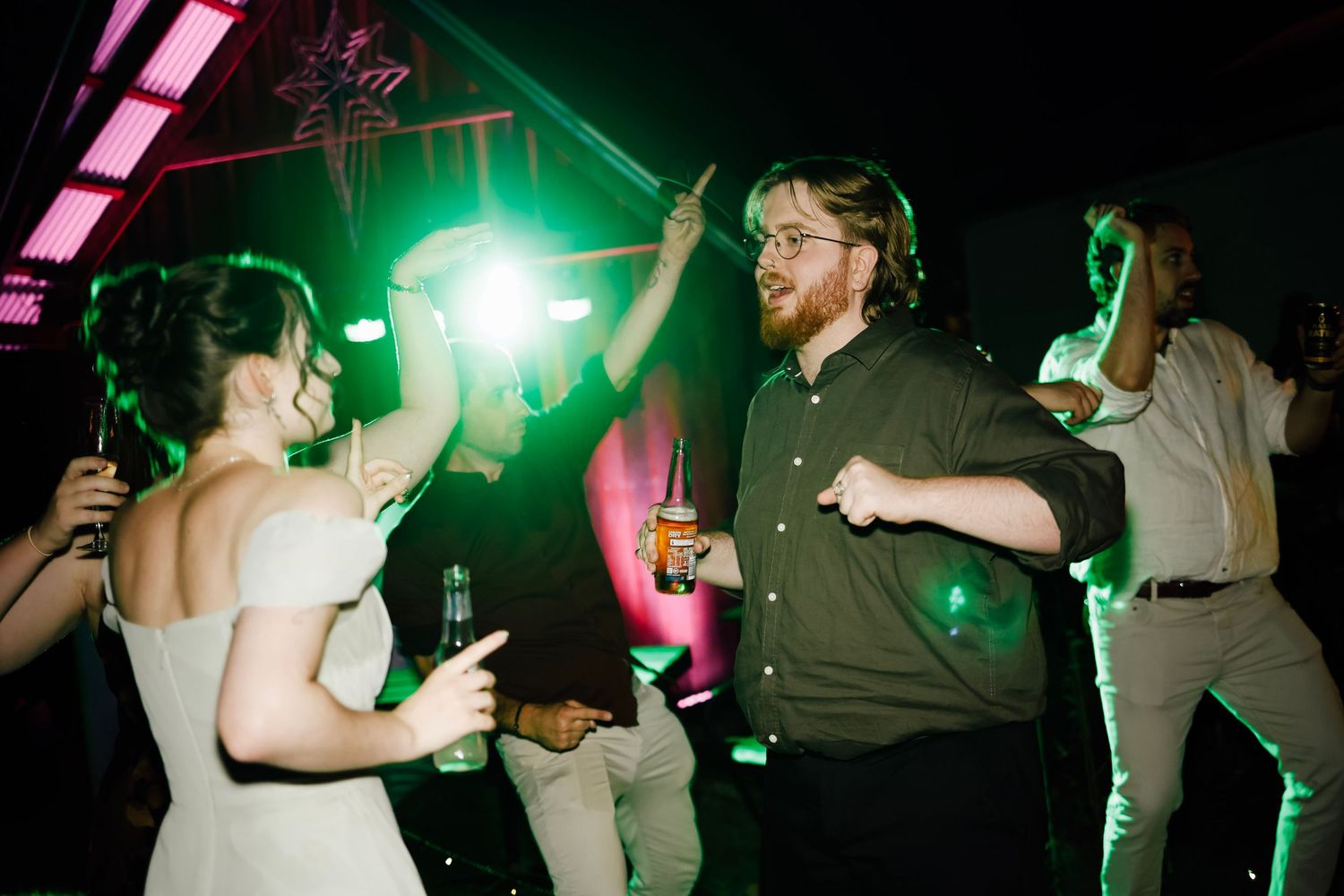
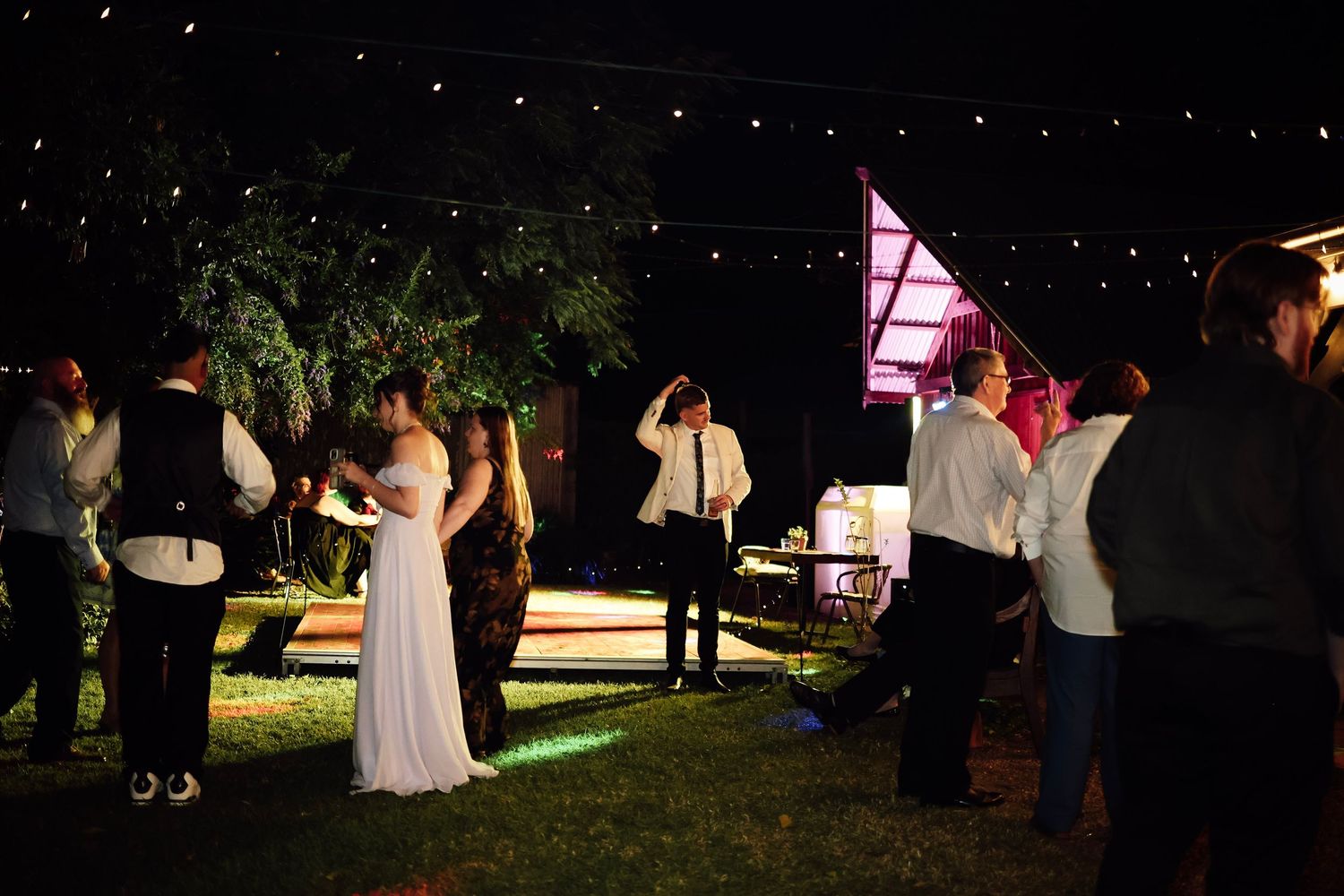
Caitlin & Alex's Wedding at Maddies of Bolwarra, NSW